
The Silent Damage: Why Ignoring Hearing Loss Could Be Costing You Your Brain
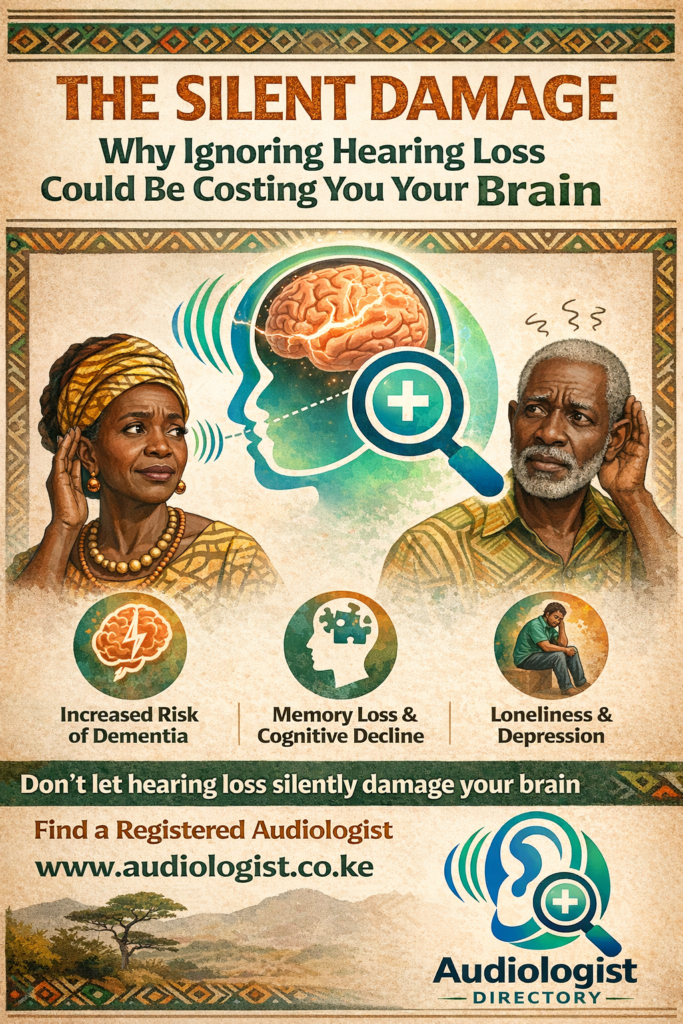
The Silent Impact of Hearing Loss: Why Early Hearing Tests Protect Your Brain Health
Hearing loss doesn’t arrive with alarms. It creeps in quietly—missing a word here, asking someone to repeat themselves there, turning the volume up just a little more than usual.
It feels harmless. Easy to ignore. Easy to postpone.
But what if that small inconvenience is actually the beginning of something far more serious?
The Hidden Dangers of Mild Hearing Loss
Many people believe a hearing test is only necessary when hearing problems become obvious. Unfortunately, that belief is dangerously wrong.
Even mild hearing loss can have a significant impact on your brain.
When your hearing declines, your brain must work harder to understand sounds. Instead of effortlessly processing speech, it begins to strain—diverting energy away from memory, focus, and thinking.
Over time, this increased mental effort can lead to:
- Mental fatigue.
- Reduced concentration.
- Memory problems.
- Difficulty processing conversations.
But this is only the beginning.
How Hearing Loss Affects Brain Function
Hearing loss doesn’t just affect your ears—it changes your brain.
When your ears stop sending clear sound signals, your brain adapts. Unfortunately, this adaptation can be harmful.
- The auditory regions of the brain begin to shrink due to lack of stimulation.
- Other brain areas overcompensate, leading to cognitive overload.
This has been strongly linked to:
- Cognitive decline.
- Increased risk of dementia.
- Faster brain aging.
And here’s the key point: untreated hearing loss can affect people of all ages, not just older adults.
The Link Between Hearing Loss and Dementia
Research shows a strong connection between untreated hearing loss and dementia risk.
When the brain is constantly straining to hear, it becomes less efficient at processing and storing information. Over time, this increases the likelihood of cognitive disorders.
Early detection through regular hearing tests can significantly reduce this risk.
Social Isolation and Mental Health Risks
Hearing loss doesn’t just impact hearing—it affects your entire lifestyle.
As communication becomes more difficult, many people begin to withdraw socially:
- Avoiding conversations.
- Misunderstanding others.
- Feeling embarrassed or frustrated.
This often leads to:
- Anxiety.
- Depression.
- Social isolation.
- Reduced quality of life.
Isolation itself is a major contributor to cognitive decline and poor mental health.
Why Early Hearing Tests Are Critical
The good news is that hearing-related brain changes are not inevitable.
A simple hearing test can detect problems early—often before you fully notice symptoms.
Early diagnosis allows for timely treatment, including hearing aids, which help preserve both hearing and brain function.
Benefits of Early Hearing Loss Treatment
Addressing hearing loss early—especially with hearing aids—can dramatically improve your long-term health.
1. Protects Brain Health
Hearing aids restore sound input, keeping your brain active and engaged.
2. Reduces Dementia Risk
Studies show early treatment lowers the risk of cognitive decline.
3. Improves Memory and Focus
Less listening strain allows better thinking and information processing.
4. Enhances Communication
Enjoy clear conversations without constantly asking people to repeat themselves.
5. Prevents Social Isolation
Stay connected with family, friends, and work environments.
6. Boosts Confidence and Independence
Better hearing leads to greater self-assurance in daily life.
7. Slows Brain Aging
Active auditory stimulation helps maintain long-term cognitive health.
The Cost of Ignoring Hearing Loss
Every day you delay addressing hearing loss, your brain works harder, becomes more fatigued, and loses vital stimulation.
Hearing loss is not just an ear problem—it’s a brain health issue.
Because the damage is gradual, many people don’t realize the severity until it significantly impacts their quality of life.
Take Action: Book a Hearing Test Today
A hearing test is quick, painless, and potentially life-changing.
If even a mild issue is detected, early treatment with hearing aids can protect:
- Your brain health
- Your memory
- Your independence
- Your overall quality of life
Don’t wait until silence starts taking more than just sound.
Contact a qualified audiologist or visit a hearing care centre today for a professional hearing test and expert hearing healthcare.